

How Long Do EV Batteries Last?
Electric vehicle (EV) batteries have emerged as pivotal in transitioning to a sustainable transportation future. The longevity of these batteries is often under intense scrutiny, influencing consumer confidence in their vehicle’s safety, environmental impact, and the overall economic viability of electric mobility. Typically, EV manufacturers provide warranties that cover battery performance for a specified number of years or miles, often around eight years or 100,000 miles, assuring consumers of a certain level of durability. However, according to the California Air Resource Board, the battery warranty is not required by regulation now.
Several consequences and challenges can arise when an EV battery degrades or reaches the end of its useful life before its expected lifespan. These issues can affect the safety of the vehicle owner and other road users. If you have suffered injuries in an accident because of a failed or defective EV battery, contact the Lemon Law attorneys at Wirtz Law APC by calling (858) 259-5009. The California lemon law lawyers on our team can help you determine your rights and remedies in these cases.
How Do EV Batteries Work?
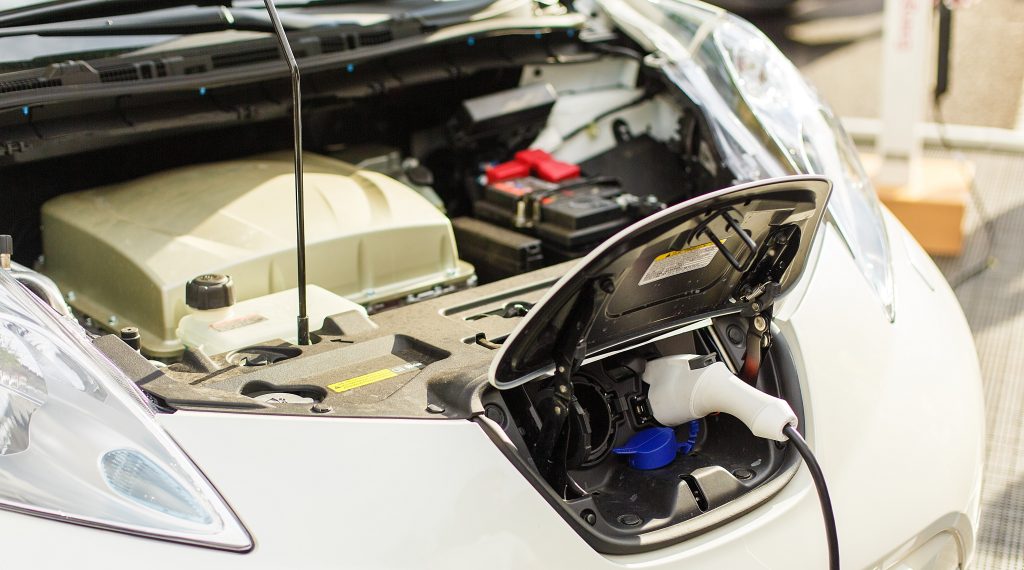
EV batteries are the heart of electric cars, providing the energy needed to power the vehicle’s electric motor. These batteries are rechargeable energy storage devices that store electrical energy in a chemical form and convert it into electricity to propel the vehicle. The most common type of battery used in EVs is the lithium-ion battery, known for its high energy density, rechargeability, and relatively lightweight design. They consist of multiple cells, each with an anode, cathode, and electrolyte, enabling ions to flow between the two electrodes, generating electricity.
Examples of Vehicles that Use EV Batteries
EV batteries are primarily used in electric cars but can also be found in other vehicles.
Hybrid Electric Vehicles (HEVs)
HEVs contain a small battery and electric motor to improve fuel efficiency and reduce emissions. HEVs cannot be charged externally and rely on regenerative braking to recharge the battery. One example includes the Honda Insight.
Battery Electric Vehicles (BEVs)
These vehicles do not have an internal combustion engine and produce zero tailpipe emissions. Examples include the Nissan Leaf, Chevrolet Bolt EV, Tesla Model 3, Jaguar I-Pace, Mercedes EQS or EQE, and the BMW IX. However, car manufacturers are continually releasing new EV models.
Plug-in Hybrid Electric Vehicles (PHEVs)
Examples include the Ford Escape Plug-in Hybrid and the Toyota Prius Prime. These vehicles can operate in electric-only mode for a certain range before the gasoline engine starts to kick in. The battery can be charged via an external power source or through regenerative braking.
Hydrogen Fuel Cell Vehicles (FCVs)
FCVs use hydrogen as a fuel source and generate electricity through a chemical process within a fuel cell. They also incorporate a smaller battery to store excess energy and provide additional power when needed. The Toyota Mirai and Hyundai Nexo are examples of FCVs.
Electric Bicycles (e-Bikes)
Some electric bicycles are equipped with small batteries and electric motors to assist riders with pedaling. These batteries are typically smaller and less powerful than those used in cars but serve a similar purpose of providing electric propulsion.
However, car manufacturers are continually releasing new EV models.
Remedies if EV Battery Dies Before Warranty Period
Certain principles and consumer protections may apply if your EV battery dies before the warranty period.
Manufacturer’s Warranty
Most EV manufacturers offer warranties on their batteries, typically covering a certain number of years or miles, often around eight years or 100,000 miles, whichever comes first. If an EV battery fails within this warranty period, the manufacturer is typically responsible for repairing or replacing the battery at no cost to the owner.
Consumer Protections
Like other states, California has consumer protection laws requiring manufacturers to honor warranties and provide remedies for defects. If an EV battery fails prematurely, consumers can seek recourse through these consumer protection laws, including repair, replacement, or a refund.
California Lemon Law
California’s Lemon Law (Song-Beverly Consumer Warranty Act) covers vehicles with substantial defects that affect their use, value, or safety and cannot be repaired after a reasonable number of attempts. If an EV battery repeatedly fails within the warranty period, it may qualify as a lemon under this law, and the manufacturer could be obligated to repurchase or replace the vehicle.
Extended Warranties
Some EV manufacturers and dealerships offer extended warranties or battery-specific warranties that go beyond the standard manufacturer’s warranty. Owners can consider purchasing these warranties for additional coverage and peace of mind.
It’s important to note that specific warranty terms and consumer protections can vary between manufacturers and dealerships. To understand the precise rights and remedies available for premature EV battery failure, owners should consult with an experienced California Lemon Law attorney.
Are You Disappointed with Your Electric Vehicle’s Battery Life?
If you recently purchased a new electric vehicle or a used vehicle that was still under the manufacturer’s original warranty, and you’re disappointed in the vehicle’s battery life, you may have a Lemon Law claim against the manufacturer. The dedicated consumer rights lawyers at Wirtz Law APC, have a long and successful history of handling all types of Lemon Law claims on behalf of California residents. We have recovered over $70 Million on behalf of our many clients and enjoy a success rate of over 98 percent among our Lemon Law cases. We have proudly served clients in Southern California as well as Northern and Central California. To learn more, schedule a free consultation with a San Diego Lemon Law attorney at Wirtz Law APC today. Give us a call at 858-259-5009. You can also connect with us through our online contact form.
SHARE
Lemon Law Categories
Over 98% Success Rate
In Lemon Law Claims
Business Law Categories

They were very professional when they took my case VS. FORD after not repairing the mechanical problems with Warranty I sincerely recommend them. THANK YOU.